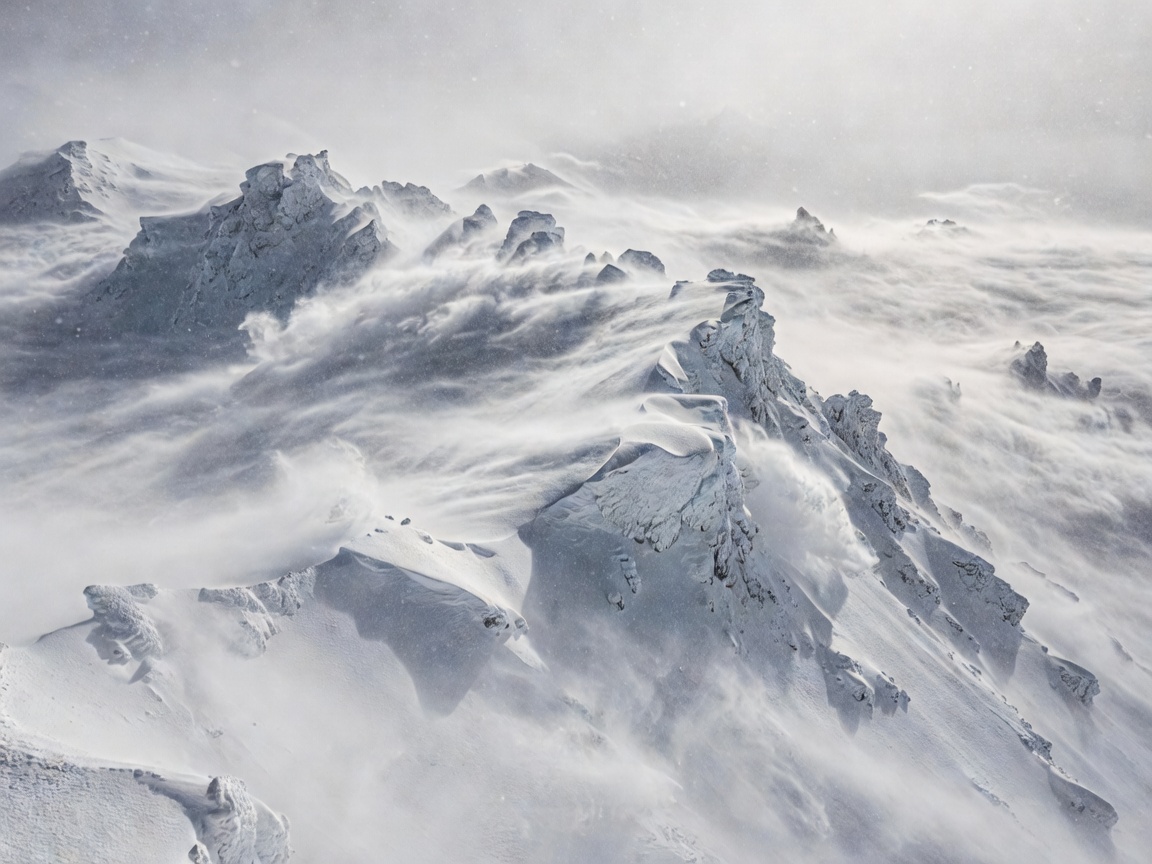
In February 1959, nine seasoned ski-hikers from the Ural Polytechnic Institute, led by Igor Dyatlov, perished under mysterious circumstances on the eastern slopes of Kholat Syakhl in the northern Ural Mountains. The initial Soviet investigation famously concluded that the hikers died due to an "unknown elemental force," sparking decades of speculation ranging from covert military testing to infrasound panic.
Evidentiary Baseline
Search parties that reached the camp on February 26, 1959, uncovered a sequence of forensic anomalies that defied standard alpine accident patterns:
- The Cut Tent: The expedition's canvas tent had been sliced open from the inside out. The occupants fled down the slope towards the tree line in sub-zero conditions (-25°C to -30°C) without footwear or adequate thermal outerwear.
- Body Dispersal: Two bodies were found near a cedar tree by the remains of a small fire, with signs of hypothermia and burned hands. Three bodies (including Dyatlov) were found spaced hundreds of metres apart along the slope, in postures indicating an effort to crawl back uphill to the tent.
- The Ravine Group: More than two months later, the remaining four hikers were discovered beneath four metres of snow in a ravine. Three possessed severe internal crushing injuries (massive rib cage fractures and skull trauma) without corresponding external contusions.
Modern Scientific Reassessment
In recent geotechnical and numerical simulations published in major geophysics journals, researchers modelled the specific environmental conditions at Kholat Syakhl on February 1–2, 1959. This has placed the delayed slab avalanche mechanism at the forefront of empirical explanations.
| Factor | Traditional Myth / Speculation | Physical Science Reality |
|---|---|---|
| Slope Incline | "Too gentle for an avalanche (< 30°)" | Local slope was 23°–26°, but katabatic winds caused heavy snow deposition over the tent cut. |
| Crushing Trauma | "Incompatible with human force / weapons" | Consistent with a compacted slab of dense snow falling directly onto hikers sleeping on skis. |
| Inadequate Attire | "Mass hysteria or infrasound terror" | Hypothermia paradoxical undressing combined with emergency tent evacuation. |
Step-by-Step Chronology of the Slab Event
The hikers cut a shelf into the snow-covered slope to pitch their tent, shielding themselves from brutal winds. However, heavy katabatic winds continued to transport snow down from the upper ridge throughout the night, depositing a dense, cohesive snow slab over the weak lower snow layer.
Hours later, the mechanical failure occurred. A heavy snow block caved in the canvas roof, inflicting immediate fractures upon several sleeping hikers. Fearing a catastrophic secondary slide, the group sliced the tent wall to escape immediately, intending to regroup in the forest basin 1.5 kilometres away. In blinding darkness, sub-zero gales, and without boots, survival time was under two hours.
Conclusion
While folklore surrounding luminous spheres and minor radioactive traces on certain garments (explained by thorium in lantern mantles) persisted for generations, the combination of geotechnical slab release, severe katabatic winds, and extreme environmental exposure fully accounts for the tragedy without requiring esoteric explanations.