In August 1587, an expedition of 115 English men, women, and children established a settlement on Roanoke Island off the coast of modern-day North Carolina. Led by Governor John White, the colony represented England's first attempt to establish a permanent civilian presence in North America. When White returned in 1590 after an unexpected three-year delay caused by the Anglo-Spanish War, the settlement was completely dismantled and deserted.
The Physical Evidence at the Site
John White's arrival on August 18, 1590, uncovered specific clues rather than signs of wholesale slaughter or arson:
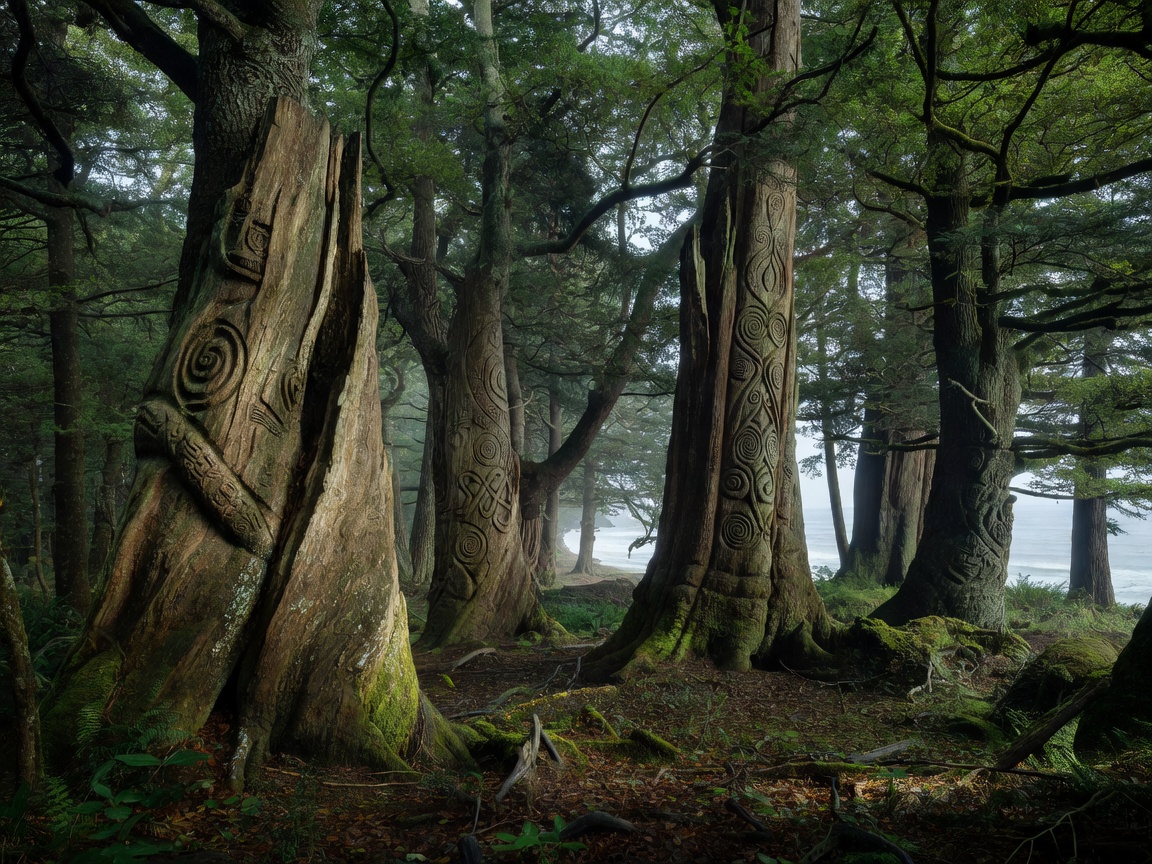
- The Carved Palings: On a post of the entrance palisade, the word
CROATOANwas carved in capital letters. On a nearby tree, the lettersCROwere engraved. - Agreed Distress Protocol: Before departing for England in 1587, White had instructed the settlers that if they were forced to relocate under distress or violence, they should carve a Maltese cross above the destination name. No cross was carved.
- Dismantled Dwellings: The houses had been deliberately deconstructed and removed rather than burned down by hostile attackers. Heavy iron cannon shot, pigs of lead, and brass pieces were buried in chests, some of which had been ransacked.
Archaeological Findings & "Site X"
For centuries, popular myth treated the colonists' fate as an inexplicable supernatural vanishing. However, 21st-century excavations led by the First Colony Foundation have transformed our understanding through modern archaeological methods.
| Excavation Location | Discovered Artifacts | Historical Assessment |
|---|---|---|
| Hatteras Island (Croatoan) | 16th-century English gun parts, lead shot, signet ring, and copper aglets. | Demonstrates presence of 1580s English settlers cohabiting with the local Croatoan tribe. |
| Site X (Bertie County, NC) | Surrey-Hampshire border ware pottery, Elizabethan writing slate, tenterhooks. | Indicates a secondary inland settlement 50 miles west of Roanoke Island. |
| Tree Ring Climate Studies | Bald cypress dendrochronology logs (1587–1589). | Proves the colony landed during the worst megadrought in the region in 800 years. |
The Synthesis: Assimilation Under Severe Environmental Stress
The convergence of climate data, material evidence, and indigenous oral histories paints a clear picture. Confronted by severe crop failure due to extreme drought, and lacking resupply from England, the colonists split into smaller survival groups.
A primary contingent migrated south to Hatteras Island to integrate with the friendly Croatoan (Manteo's people), while another group retreated inland along the Albemarle Sound toward Site X to build an inland refuge. Over the subsequent two decades, surviving settlers intermarried with native populations, leaving European physical traits and linguistic fragments observed by subsequent Jamestown explorers in the early 1600s.
Conclusion
The "Lost Colony" was not consumed by the wilderness or vanished into thin air. Instead, it survived through forced cultural assimilation—a pragmatic response to environmental collapse and geopolitical isolation.